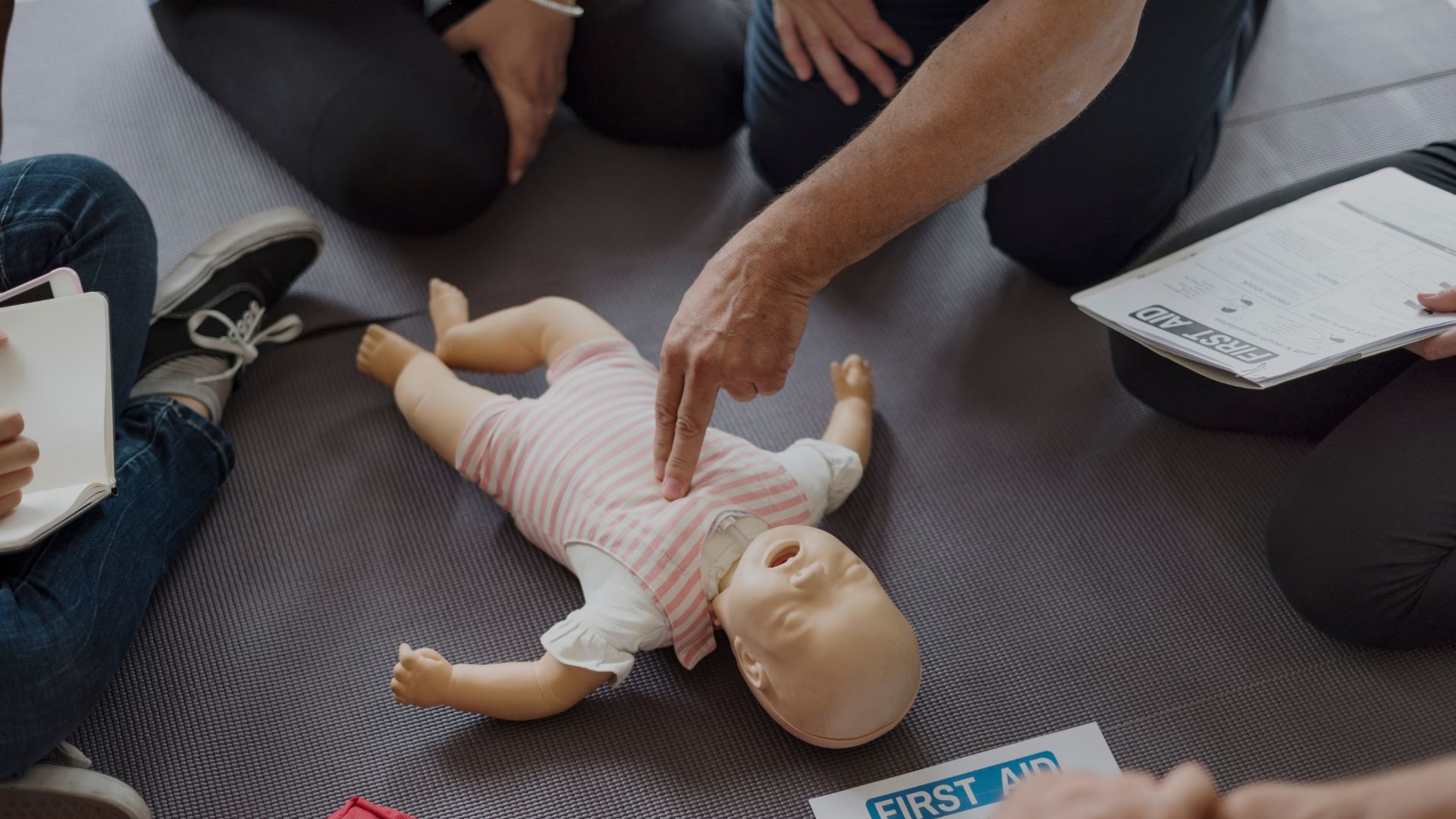
Becoming a new parent in Brooklyn is an exciting and life-changing experience. From bringing your baby home for the first time to navigating daily routines, every moment is filled with new responsibilities. While parents naturally focus on feeding, sleep schedules, and development, one of the most important areas often overlooked is emergency preparedness. Getting CPR Certification with a focus on infant care is one of the most valuable steps you can take to protect your baby.
Infants are especially vulnerable during emergencies. Their bodies are still developing, their airways are small and delicate, and they cannot communicate distress in the same way older children or adults can. Because of this, parents and caregivers must be prepared to recognize problems quickly and respond immediately.
Why Infant CPR Training Is Essential for Brooklyn Parents
Brooklyn is a vibrant, fast-paced borough filled with families, parks, apartments, and busy public spaces. New parents often find themselves navigating crowded sidewalks, public transportation, and shared living environments. While these settings are part of everyday life, they can also present unexpected risks.
Emergencies involving infants can happen anywhere, at home, at a park, in a stroller, or during a simple feeding. Infant CPR training prepares parents to act without hesitation in these critical moments.
This training helps parents:
- Recognize emergencies quickly
- Respond with confidence
- Provide immediate care
- Stabilize their baby until help arrives
For Brooklyn families, this level of preparedness is not just helpful. It is essential.
- Stabilize their baby until help arrives
Understanding the Unique Risks Infants Face
Infants face different risks than older children due to their size and stage of development. Everyday activities can sometimes lead to unexpected emergencies.
Common risks include:
- Choking during feeding
- Breathing difficulties
- Accidental suffocation
- Falls or minor injuries
- Sudden illness or unresponsiveness
Because infants cannot explain what is wrong, caregivers must rely on observation and quick action.
- Sudden illness or unresponsiveness
How Infant CPR Differs from Adult CPR
Infant CPR is not simply a smaller version of adult CPR. It requires specific techniques designed for delicate bodies.
Key differences include:
- Using two fingers for chest compressions instead of both hands
- Applying gentler pressure to avoid injury
- Adjusting the depth and rhythm of compressions
- Delivering smaller, controlled rescue breaths
- Carefully positioning the infant to maintain an open airway
These differences are critical. Proper training ensures that parents perform CPR safely and effectively.
- Carefully positioning the infant to maintain an open airway
Recognizing When an Infant Needs CPR
One of the most important aspects of infant CPR training is learning when to act. Infants may not show obvious signs of distress, so caregivers must be attentive.
Signs that an infant may need CPR include:
- Unresponsiveness
- No breathing or abnormal breathing
- Bluish or pale skin tone
- Weak or absent pulse
- Lack of movement
Recognizing these signs quickly allows parents to begin CPR without delay.
- Lack of movement
Step-by-Step Overview of Infant CPR
While hands-on training is essential, understanding the basic steps can help reinforce your knowledge.
Infant CPR generally involves:
- Checking responsiveness and breathing
- Calling for emergency help
- Beginning chest compressions
- Delivering gentle rescue breaths
- Continuing cycles until help arrives
Practicing these steps during training helps build muscle memory and confidence.
Responding to Choking Emergencies
Choking is one of the most common emergencies involving infants. Babies explore their environment by putting objects in their mouths, which increases the risk.
Infant CPR training includes techniques such as:
- Back blows between the shoulder blades
- Chest thrusts
- Recognizing the severity of the obstruction
Knowing how to respond quickly can prevent a choking incident from becoming life-threatening.
- Recognizing the severity of the obstruction
Why Immediate Action Matters
In any emergency, time is critical. When an infant stops breathing, oxygen flow to the brain is interrupted.
Without immediate intervention:
- Brain damage can begin within minutes
- The situation can quickly become life-threatening
- Survival chances decrease
Taking action right away can stabilize the infant and improve outcomes.
For Brooklyn parents, understanding the importance of these first moments is key.
- Survival chances decrease
The Importance of Hands-On Training
Reading about CPR is helpful, but hands-on training is what truly prepares parents for real-life situations. Practicing on infant mannequins allows caregivers to learn proper technique and build confidence.
Hands-on training helps:
- Develop muscle memory
- Improve accuracy
- Increase confidence
- Prepare for real-world emergencies
For new parents in Brooklyn, this preparation is invaluable.
- Prepare for real-world emergencies
Building Confidence as a New Parent
Confidence is one of the most important benefits of CPR training. Emergencies can be overwhelming, especially for new parents.
Training helps reduce fear and uncertainty by providing clear instructions and practice.
This confidence allows parents to:
- Stay calm under pressure
- Act quickly and effectively
- Provide reassurance during emergencies
- Focus on their child’s needs
Preparing Other Caregivers
Parents are not the only ones who care for an infant. Babysitters, grandparents, and other family members may also be responsible for the child at times.
It is important that all caregivers are trained in infant CPR.
This ensures that:
- Someone is always prepared to respond
- Care is consistent across caregivers
- Safety is prioritized at all times
For Brooklyn families, this shared responsibility is essential.
- Safety is prioritized at all times
Creating a Safer Home Environment
While CPR training prepares parents to respond, prevention is also important.
Families can reduce risks by:
- Keeping small objects out of reach
- Supervising feeding times
- Practicing safe sleep habits
- Childproofing the home
Combining prevention with training creates a safer environment for infants.
- Childproofing the home
How to Get CPR Certified in Brooklyn
Getting CPR certified is a straightforward process.
- Choose a CPR training program that includes infant CPR
- Select a class that fits your schedule
- Attend the training session
- Complete hands-on practice
- Receive certification upon completion
Many training providers in Brooklyn offer flexible scheduling options.
CPR Certification Cost in Brooklyn
The cost of training can vary depending on the program and provider. Most courses are affordable and provide significant value.
For parents, this is an investment in their child’s safety.
Why Ongoing Training Is Important
CPR certification typically lasts for two years. Renewal ensures that skills remain current and effective.
Ongoing training helps:
- Maintain confidence
- Improve technique
- Stay aligned with guidelines
- Provide consistent care
For Brooklyn parents, staying up to date is essential.
- Provide consistent care
The Long-Term Benefits of Infant CPR Training
Infant CPR training provides benefits that extend beyond immediate emergencies.
These include:
- Increased confidence
- Greater awareness of safety
- Ability to help others
- Lifelong skills
For parents in Brooklyn, this training is a valuable investment.
- Lifelong skills
Why Every New Parent Should Prioritize CPR Training
Becoming a parent means taking on the responsibility of protecting a new life. While it is impossible to predict every situation, being prepared can make all the difference.
Infant CPR training ensures that parents are ready to respond when it matters most.
For Brooklyn families, this training is not just a precaution. It is a necessity.
Final Thoughts About Infant CPR Training in Brooklyn
Caring for an infant requires preparation, awareness, and confidence. Emergencies can happen without warning, and the ability to respond quickly is critical.
Getting CPR Certification ensures that you are equipped with the skills needed to protect your child in those crucial moments.
For new parents in Brooklyn, this training is one of the most important steps you can take to create a safer future for your family.
CPR Certification FAQs
How long does CPR certification last?
CPR certification typically lasts for two years before renewal is required.
How long is an infant CPR class?
Most classes can be completed in a few hours during a single session.
Do new parents need CPR certification?
It is not required, but it is strongly recommended for all parents and caregivers.
Can I get certified the same day?
Yes, many training programs offer same-day certification after completing the course.
Is infant CPR different from adult CPR?
Yes, infant CPR uses techniques designed specifically for smaller bodies and requires specialized training.