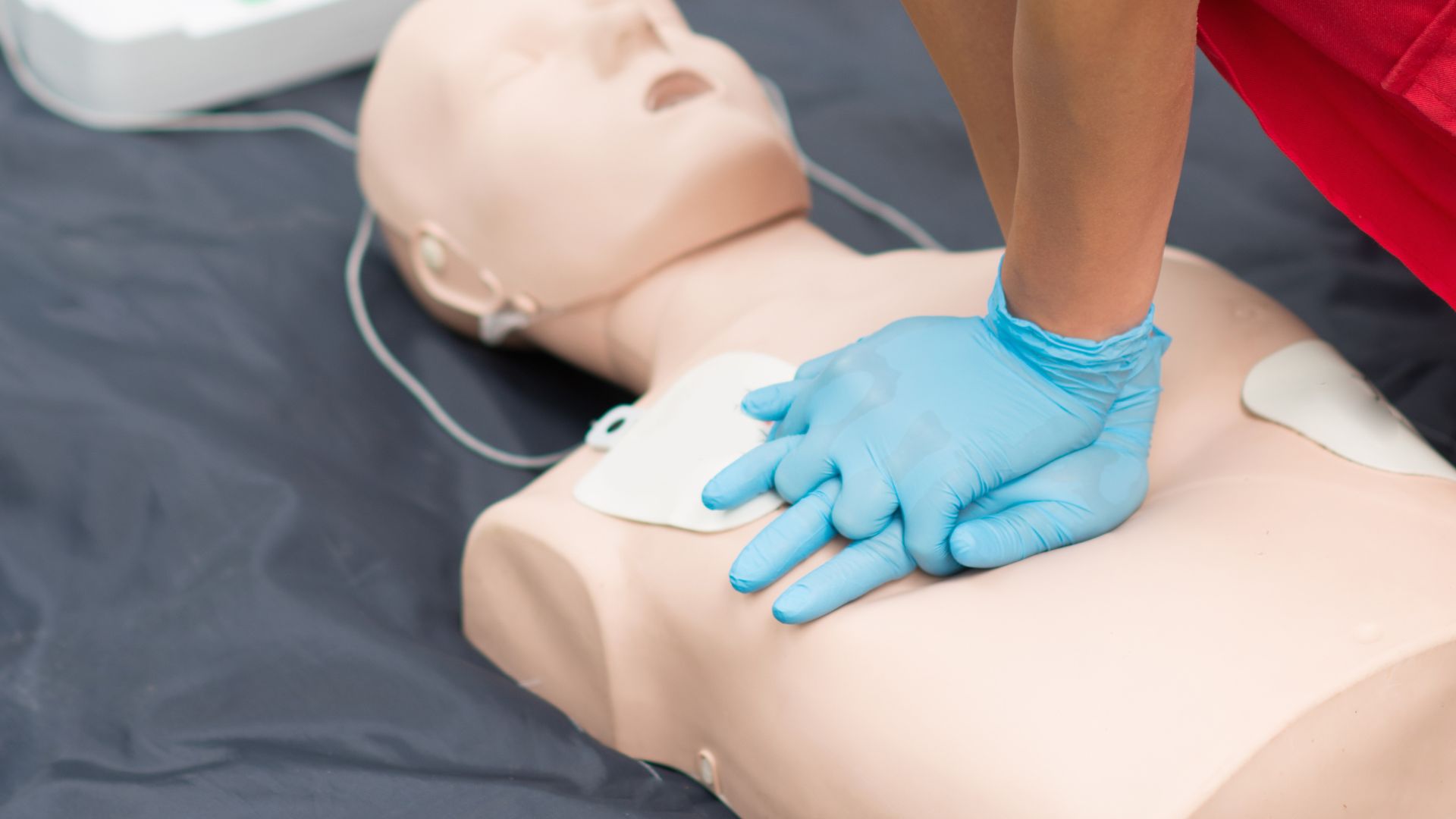
Workplace safety involves much more than preventing accidents and maintaining compliance with regulations. While many organizations focus on fire safety, security procedures, and injury prevention, preparing for medical emergencies is equally important. One of the most serious emergencies a workplace can face is a sudden cardiac event involving an employee, customer, contractor, or visitor.
Cardiac emergencies can happen without warning in offices, retail stores, restaurants, schools, warehouses, hotels, healthcare facilities, and virtually any other workplace. During these situations, the actions taken within the first few minutes can make a significant difference. Because emergency medical responders need time to reach the scene, coworkers and bystanders are often the first people available to help.
For Brooklyn employers, developing a Cardiac Emergency Response Plan (CERP) is an important step toward improving workplace preparedness. Organizations that encourage employees to complete a CPR Certification course often strengthen their overall emergency readiness while helping create a safer environment for everyone who enters the workplace.
Why Every Workplace Needs a Cardiac Emergency Response Plan
Many businesses have emergency procedures for fires, severe weather, security concerns, and building evacuations.
However, medical emergencies can occur just as unexpectedly.
Examples include:
- Cardiac emergencies
- Choking incidents
- Breathing difficulties
- Allergic reactions
- Seizures
- Sudden illnesses
- Heat-related illnesses
- Diabetic emergencies
A cardiac emergency response plan helps employees understand exactly what to do when someone experiences a serious medical event.
Preparation reduces confusion and helps employees respond more effectively under pressure.
Understanding the Purpose of a Cardiac Emergency Response Plan
A Cardiac Emergency Response Plan is a written set of procedures that outlines how employees should respond when a cardiac emergency occurs.
The plan helps establish:
- Emergency response procedures
- Communication protocols
- Employee responsibilities
- AED awareness
- Emergency contact information
- Coordination with emergency responders
Having a clear plan in place allows employees to focus on helping rather than trying to determine what steps should be taken.
Why Brooklyn Businesses Face Unique Preparedness Challenges
Brooklyn is home to a diverse business community that includes:
- Corporate offices
- Retail stores
- Restaurants
- Manufacturing facilities
- Warehouses
- Schools
- Medical offices
- Hospitality businesses
Many workplaces operate in densely populated areas where large numbers of employees, customers, and visitors move through buildings each day.
In addition, some facilities occupy multiple floors or share space with other businesses, creating additional logistical challenges during emergencies.
These factors make planning and preparation especially important.
The First Few Minutes Matter
One of the primary goals of a cardiac emergency response plan is reducing delays during an emergency.
When a cardiac emergency occurs, employees may need to:
- Recognize the emergency
- Call 911
- Retrieve emergency equipment
- Direct responders
- Assist coworkers
- Manage the surrounding area
Without a plan, valuable time may be lost.
When procedures are established in advance, employees are often able to respond more quickly and confidently.
Create a Written Emergency Response Plan
The foundation of any effective preparedness program is a written plan.
A documented response plan should clearly outline:
- Emergency procedures
- Contact information
- Roles and responsibilities
- AED locations
- Building access procedures
- Communication protocols
Written plans help ensure consistency throughout the organization.
They also provide a framework for employee training and ongoing preparedness efforts.
Assign Specific Responsibilities
One common challenge during emergencies is uncertainty about who should perform certain tasks.
A strong emergency response plan identifies responsibilities before an emergency occurs.
Examples may include:
- Calling 911
- Retrieving an AED
- Meeting emergency responders
- Directing responders to the scene
- Communicating with management
- Assisting with crowd control
When employees understand their responsibilities ahead of time, response efforts often become more organized.
Identify AED Locations
Many workplaces include Automated External Defibrillators (AEDs) as part of their emergency preparedness programs.
If AEDs are available, employees should know:
- Where they are located
- How to access them
- Who maintains them
- How they fit into emergency procedures
AED locations should be clearly marked and easily accessible.
Awareness is just as important as equipment placement.
Train Employees Regularly
A response plan is only effective if employees understand it.
Training helps employees become familiar with:
- Emergency procedures
- Communication expectations
- AED awareness
- Workplace protocols
- Individual responsibilities
Regular training sessions reinforce preparedness and help employees remain comfortable with emergency procedures.
Prepared employees are often more confident during high-pressure situations.
Conduct Practice Drills
Practice is an important component of workplace preparedness.
Emergency drills allow organizations to:
- Test procedures
- Identify weaknesses
- Improve communication
- Reinforce responsibilities
- Increase employee confidence
Drills help transform written procedures into practical actions.
The more familiar employees are with emergency plans, the easier it becomes to respond effectively when a real emergency occurs.
Develop Clear Communication Procedures
Communication is critical during emergencies.
Employees should understand:
- Who contacts emergency services
- How information is shared internally
- Who communicates with leadership
- How responders are guided to the scene
Clear communication procedures help reduce confusion and improve coordination.
Organizations should review these procedures regularly to ensure they remain effective.
Consider Building Layout and Access
Brooklyn businesses operate in a variety of building types.
Emergency planning should account for:
- Multiple floors
- Elevators
- Stairwells
- Security checkpoints
- Shared office spaces
- Public access areas
Employees may need to assist emergency responders by providing directions or facilitating building access.
Planning for these challenges helps improve response efficiency.
Coordinate With Property Management
Businesses located in office complexes, commercial buildings, or shared facilities should coordinate with property management regarding emergency preparedness.
Topics to discuss may include:
- AED locations
- Security procedures
- Building access
- Emergency contacts
- Evacuation plans
Collaboration helps ensure everyone understands their responsibilities during emergencies.
This coordination can improve response efforts and reduce delays.
Review and Update the Plan Regularly
Workplaces change over time.
Factors that may require updates include:
- New employees
- Facility renovations
- Equipment changes
- Operational changes
- Organizational growth
Regular reviews help ensure emergency procedures remain accurate and effective.
Many businesses schedule annual reviews as part of their broader safety programs.
Build a Culture of Preparedness
The strongest emergency response programs become part of workplace culture.
Organizations often support preparedness through:
- Employee education
- Safety meetings
- Emergency drills
- Ongoing communication
- Leadership involvement
When preparedness becomes part of daily operations, employees are more likely to remain engaged and aware of safety responsibilities.
A strong safety culture benefits everyone.
Why CPR Training Supports Workplace Preparedness
A cardiac emergency response plan is most effective when employees understand how to respond during emergencies.
Training helps individuals become more familiar with:
- Emergency recognition
- Response priorities
- Communication procedures
- AED awareness
- Workplace emergency protocols
Many Brooklyn employers encourage employees to complete CPR training as part of broader workplace safety initiatives.
Prepared employees often feel more confident and capable when emergencies occur.
Strengthening Emergency Preparedness for Brooklyn Businesses
Cardiac emergencies can happen in any workplace regardless of size or industry. Having a written response plan helps organizations improve communication, clarify responsibilities, increase preparedness, and strengthen overall workplace safety. By developing clear emergency procedures, conducting regular training, reviewing plans frequently, and encouraging employees to complete a CPR Certification course, Brooklyn businesses can create safer environments for employees, customers, and visitors while improving their ability to respond effectively when emergencies occur.
Frequently Asked Questions About Cardiac Emergency Response Plans for Brooklyn Businesses
What is a Cardiac Emergency Response Plan?
A Cardiac Emergency Response Plan is a written set of procedures designed to help employees recognize and respond to cardiac emergencies in the workplace.
Why should businesses create a cardiac emergency response plan?
A plan helps improve preparedness, reduce confusion, clarify responsibilities, and support faster emergency response efforts.
Who should be involved in workplace emergency planning?
Managers, supervisors, safety personnel, employees, and anyone responsible for workplace safety should understand their roles during emergencies.
How often should emergency response plans be reviewed?
Organizations should review plans regularly and update them whenever staffing, facilities, equipment, or procedures change.
Why are AEDs included in emergency preparedness plans?
AEDs can play an important role during cardiac emergencies and should be incorporated into workplace response procedures when available.
How does CPR training support workplace preparedness?
CPR training helps employees improve confidence, understand emergency response priorities, and strengthen overall workplace readiness.