Brooklyn is one of the most vibrant and densely populated boroughs in New York City. From busy subway stations and bustling sidewalks to sporting events, restaurants, schools, and neighborhood festivals, thousands of people gather throughout the borough every day. While these crowded spaces create an exciting atmosphere, they also increase the likelihood that someone nearby could experience a sudden medical emergency.
Sudden cardiac arrest, choking incidents, allergic reactions, and other life-threatening situations can happen without warning. In many cases, bystanders become the first people available to help while emergency medical services are on the way. Knowing what to do during those first critical minutes can make a tremendous difference.
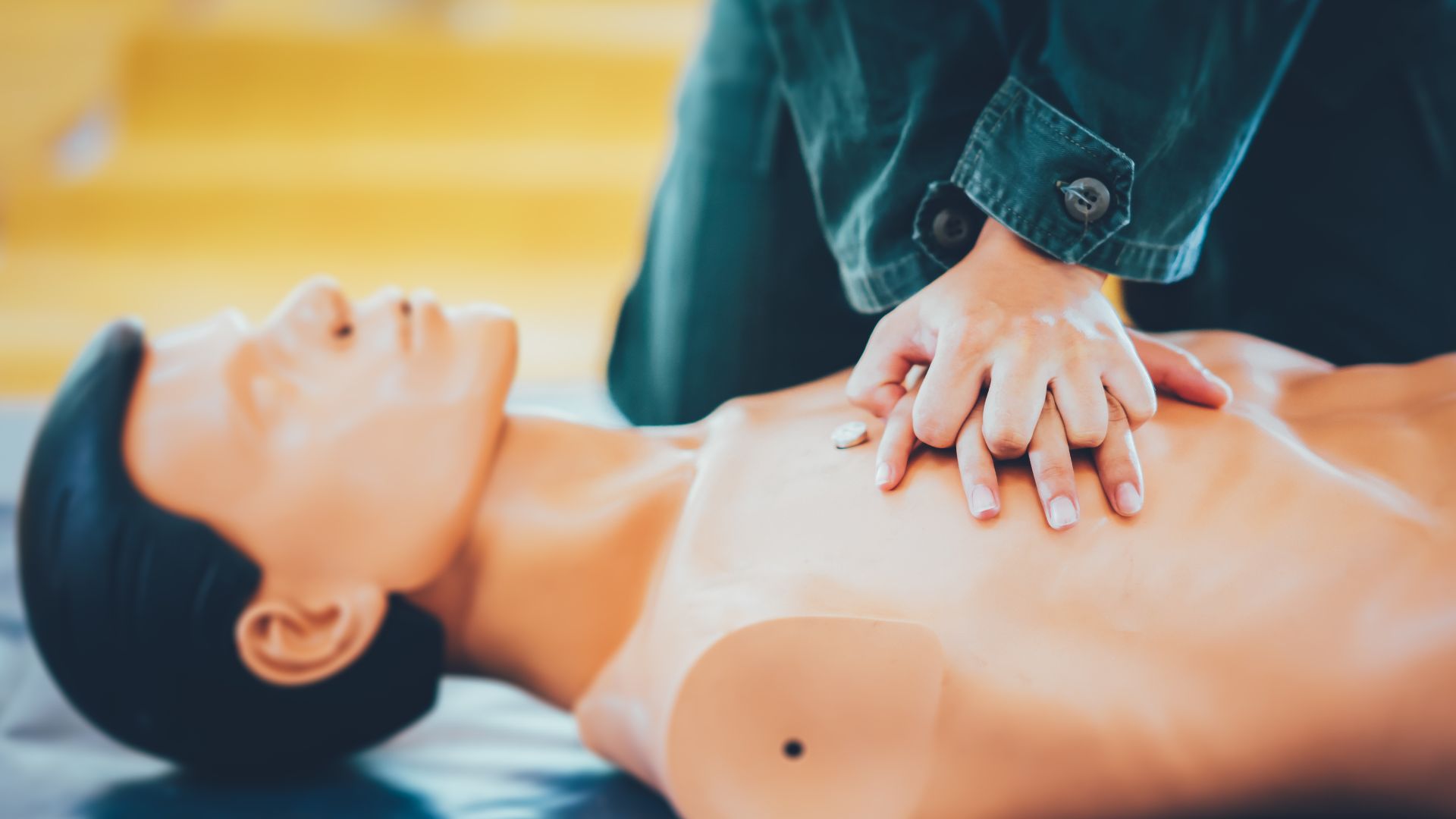
Through CPR Certification, Brooklyn residents can gain hands-on experience performing CPR and using an Automated External Defibrillator (AED). Practical training helps build the confidence and muscle memory needed to respond effectively when every second counts.
Medical Emergencies Can Happen Anywhere
Many people assume life-threatening emergencies occur primarily in hospitals or healthcare settings, but they often happen during ordinary daily activities.
Common locations where emergencies may occur include:
- Subway stations
- Shopping centers
- Restaurants
- Schools
- Office buildings
- Sporting events
- Parks
- Community festivals
Brooklyn’s large population means there are countless opportunities for bystanders to become unexpected first responders.
Having more CPR-trained individuals throughout the community helps improve the chances that someone nearby can provide immediate assistance.
Sudden Cardiac Arrest Requires Immediate Action
Sudden cardiac arrest occurs when the heart unexpectedly stops pumping blood effectively.
Unlike a heart attack, which is caused by blocked blood flow to the heart muscle, cardiac arrest is usually the result of an electrical problem within the heart.
Common warning signs include:
- Sudden collapse
- Loss of consciousness
- No normal breathing
- No detectable pulse
Without immediate CPR, oxygen-rich blood stops reaching the brain and vital organs.
The American Heart Association emphasizes that immediate bystander CPR can significantly improve survival outcomes following sudden cardiac arrest. American Heart Association
Crowded Public Spaces Increase the Need for Trained Bystanders
Brooklyn is home to countless public gathering places where large groups of people come together every day.
Busy areas may include:
- Public transportation hubs
- Farmers markets
- Concert venues
- Shopping districts
- Community events
- Recreational facilities
In crowded environments, emergencies can unfold quickly.
A trained bystander who knows CPR may be able to provide immediate assistance while others call 911 and help manage the scene.
Hands-On CPR Training Builds Real Confidence
Watching instructional videos or reading about CPR can be helpful, but practical experience provides a much stronger foundation.
Hands-on classes allow students to physically practice:
- Chest compressions
- Rescue breathing
- AED operation
- Emergency scene assessment
- Victim evaluation
Many first-time students discover that performing effective chest compressions requires more force than they expected.
Practicing these techniques helps participants feel more comfortable responding during actual emergencies.
Muscle Memory Matters During High-Stress Situations
Emergencies create stress, and stress can affect a person’s ability to think clearly.
During a crisis, people often rely on habits developed through repetition.
Hands-on CPR classes help participants build muscle memory by repeatedly practicing:
- Proper hand placement
- Compression depth
- Compression rhythm
- Rescue breathing
- AED procedures
This practical experience allows individuals to respond more naturally when faced with a real emergency.
AED Training Is an Important Part of CPR Education
Automated External Defibrillators are becoming increasingly common throughout Brooklyn.
AEDs can often be found in:
- Schools
- Airports
- Office buildings
- Fitness centers
- Shopping malls
- Sports venues
- Community centers
These devices are designed to analyze heart rhythms and deliver life-saving shocks when necessary.
Training through CPR Certification helps students learn how to:
- Turn on the AED
- Apply the electrode pads
- Follow voice prompts
- Ensure scene safety
- Resume CPR after treatment
Quick CPR combined with early AED use provides one of the best opportunities for survival during sudden cardiac arrest.
Families Benefit From CPR Training
Many cardiac emergencies happen inside the home.
Parents, grandparents, spouses, and adult children are often the first people present when a loved one experiences a medical crisis.
Learning CPR helps families prepare to assist:
- Parents
- Grandparents
- Children
- Spouses
- Friends
- Neighbors
Many Brooklyn families choose to complete CPR training together so that multiple household members know how to respond during emergencies.
Public Transportation Emergencies Can Occur Without Warning
Brooklyn residents rely heavily on buses and subway systems for daily transportation.
Medical emergencies can happen during commutes, including:
- Cardiac arrest
- Choking incidents
- Seizures
- Allergic reactions
- Loss of consciousness
Crowded transit environments often place ordinary citizens in the position of providing immediate assistance until emergency responders arrive.
Knowing CPR can help individuals feel prepared for these unexpected situations.
Workplace CPR Training Creates Safer Businesses
Many Brooklyn businesses encourage employees to complete CPR certification as part of their workplace safety initiatives.
Workplace emergencies may involve:
- Sudden cardiac arrest
- Choking
- Electrical accidents
- Heat-related illness
- Severe allergic reactions
CPR-trained employees help create safer environments for coworkers, customers, and visitors.
Many organizations recognize that investing in emergency preparedness strengthens overall workplace safety.
Schools and Community Programs Need Trained Adults
Teachers, coaches, volunteers, and childcare providers play important roles in protecting children and families.
Medical emergencies involving young people may include:
- Asthma attacks
- Choking
- Allergic reactions
- Sports injuries
- Cardiac events
Hands-on CPR training often includes techniques for adults, children, and infants, helping participants prepare for a variety of situations.
Prepared adults help strengthen Brooklyn’s schools and community organizations.
Hands-On Training Helps Reduce Fear
One of the biggest reasons people hesitate during emergencies is fear.
Common concerns include:
- Hurting the victim
- Performing CPR incorrectly
- Forgetting the steps
- Panicking under pressure
Practical instruction helps reduce these fears by allowing students to practice realistic emergency scenarios.
The more experience participants gain during training, the more likely they are to take action when someone needs help.
CPR Skills Extend Beyond Cardiac Arrest
Many CPR classes also cover additional emergency situations.
Students often learn how to respond to:
- Choking incidents
- Drowning emergencies
- Respiratory distress
- Severe allergic reactions
These skills help participants prepare for a wide range of situations they may encounter throughout daily life.
Community Preparedness Starts With Individuals
Every person who learns CPR becomes another potential lifesaver in the community.
As more Brooklyn residents complete hands-on training:
- Families become safer.
- Schools improve preparedness.
- Workplaces strengthen emergency response.
- Public spaces gain additional protection.
A stronger network of trained bystanders helps create a more resilient community.
Practical Experience Improves Long-Term Retention
Hands-on participation helps people remember life-saving techniques more effectively than simply reading about them.
Practical classes allow students to:
- Practice repeatedly
- Receive instructor feedback
- Correct mistakes
- Build confidence
- Strengthen muscle memory
Months or even years later, those physical skills are often easier to recall during a real emergency.
CPR Training Benefits the Entire Community
Many people first pursue CPR certification because of work requirements, but the benefits extend far beyond the workplace.
CPR-trained individuals may one day help:
- Family members
- Friends
- Coworkers
- Neighbors
- Complete strangers
A single person with the right training can make an extraordinary difference when every second matters.
Final Thoughts About Hands-On CPR Training in Brooklyn
Brooklyn’s busy streets, crowded public spaces, and active communities create countless opportunities for ordinary people to become unexpected heroes during medical emergencies. Sudden cardiac arrest and other life-threatening situations can happen anywhere, making immediate bystander action incredibly important.
Through CPR Certification, Brooklyn residents can gain the hands-on skills, practical experience, and confidence needed to perform CPR, use an AED, and respond effectively when someone needs immediate help. By investing a few hours in quality training, individuals help create safer neighborhoods, stronger communities, and a better chance of survival for those facing medical emergencies.
Frequently Asked Questions About Hands-On CPR Training in Brooklyn
Why is hands-on CPR training important?
Hands-on training allows participants to physically practice CPR techniques, receive instructor feedback, and build confidence through repetition.
What is sudden cardiac arrest?
Sudden cardiac arrest occurs when the heart unexpectedly stops pumping blood effectively, causing loss of consciousness and cessation of normal breathing.
Does CPR training include AED instruction?
Yes. Most comprehensive CPR courses include hands-on training for using an Automated External Defibrillator.
Can ordinary people perform CPR?
Absolutely. CPR classes are designed to teach everyday individuals how to respond during emergencies.
Why is muscle memory important during CPR?
Repeated practice helps people perform life-saving skills more naturally during stressful situations.
Who should consider CPR certification?
Parents, teachers, coaches, healthcare workers, office employees, childcare providers, and anyone interested in helping during emergencies can benefit from CPR training.
How long does CPR certification typically last?
Most CPR certifications remain valid for two years before renewal is recommended or required.
Can CPR skills help outside of work?
Yes. CPR training prepares individuals to respond to emergencies involving family members, friends, neighbors, or strangers in the community.