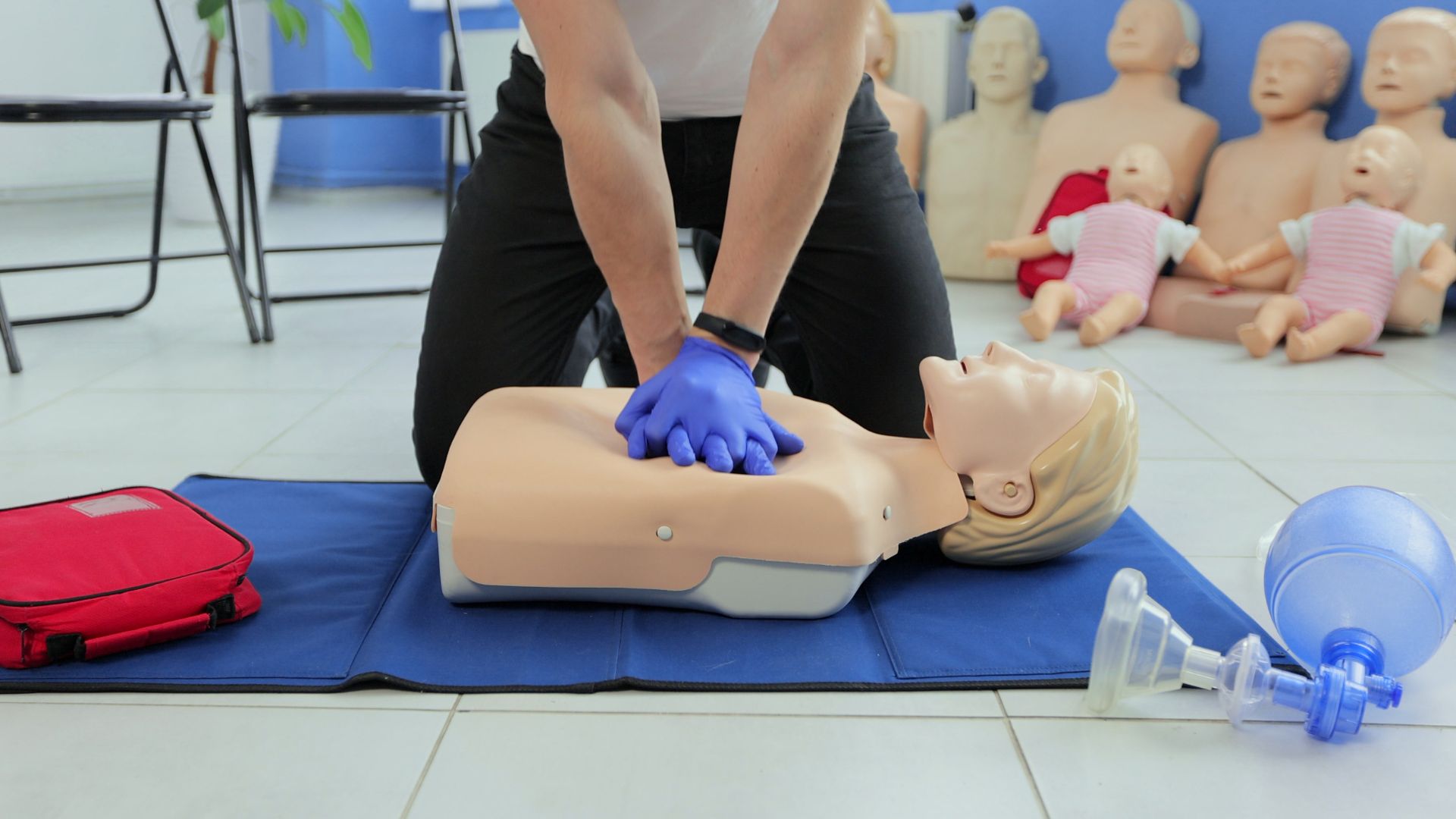
Workplace safety is a priority for many organizations, especially in busy urban environments like Brooklyn where businesses, schools, healthcare facilities, and fitness centers serve large communities every day. Emergencies can happen unexpectedly, and being prepared to respond quickly can make a significant difference in protecting lives. One of the most valuable safety measures a workplace can adopt is ensuring employees have proper emergency response training. Completing CPR Certification equips staff members with lifesaving skills that can be used during cardiac emergencies, choking incidents, and other serious medical situations.
If you believe CPR training would benefit your workplace, it may be helpful to start a conversation with your employer about implementing a training program. Many organizations are open to improving safety practices but may not realize how accessible and beneficial CPR training can be. By approaching the conversation thoughtfully and presenting clear reasons why CPR training matters, employees can encourage employers to consider adding this valuable skill to their workplace safety initiatives.
Discussing training requirements professionally and respectfully can help create a safer environment for everyone at work.
Why CPR Training Matters in the Workplace
Workplaces are environments where employees, customers, and visitors spend a significant amount of time. Because so many people gather in one place, the possibility of a medical emergency always exists. Sudden cardiac arrest can happen anywhere, including offices, retail stores, warehouses, or public service facilities.
Cardiac arrest occurs when the heart suddenly stops beating effectively, preventing oxygen from reaching the brain and other vital organs. Without immediate action, survival chances decrease quickly.
Having employees trained in CPR allows someone nearby to begin lifesaving care while waiting for emergency responders. Individuals who maintain CPR Certification are trained to recognize cardiac arrest, perform chest compressions, and assist until professional medical help arrives.
Workplace CPR training programs can provide several benefits, including:
- Faster response during medical emergencies
- Increased employee confidence and preparedness
- Improved workplace safety culture
- Greater protection for customers and visitors
Encouraging CPR training helps create an environment where employees feel prepared to assist during emergencies.
Understanding CPR Training Requirements in Different Industries
Some professions already require CPR training as part of their safety standards. Industries that commonly require certification include healthcare, childcare, education, fitness, construction, and public safety.
In many cases, regulatory agencies or workplace safety policies require employees in these fields to maintain current CPR training.
Even when certification is not required, many employers choose to offer CPR training voluntarily because it strengthens workplace safety programs.
Employees who understand the value of CPR Certification can help raise awareness by discussing how training benefits both staff and customers.
Preparing for the Conversation with Your Employer
Before approaching your employer about CPR training, it is helpful to gather information that supports your request. Being prepared with clear reasons and potential solutions can make the conversation more productive.
Consider researching the following topics:
- Local CPR training providers in Brooklyn
- Estimated course costs and training duration
- Industry recommendations for CPR training
- Workplace safety guidelines related to emergency response
When employees demonstrate that they have done their research, employers are often more receptive to the idea.
It can also be helpful to think about how CPR training would fit into the company’s current safety policies.
Choosing the Right Time to Bring Up CPR Training
Timing plays an important role in professional conversations. Choosing an appropriate moment to discuss training can increase the likelihood of a positive response.
Some effective times to introduce the idea include:
- During workplace safety meetings
- Performance reviews or professional development discussions
- Staff meetings focused on workplace improvements
- Conversations about emergency preparedness
Introducing CPR training as part of a broader safety conversation helps show that the goal is improving workplace readiness rather than creating additional obligations.
Approaching the conversation respectfully helps keep the discussion productive.
Explaining the Benefits of CPR Training
When speaking with your employer, focusing on the benefits of CPR training can help illustrate why it is worth considering.
Some points to highlight include:
Employee Preparedness
Staff members who complete CPR training feel more confident responding during emergencies.
Customer Safety
Businesses that serve the public can respond quickly if a visitor experiences a medical emergency.
Team Development
Training programs often improve teamwork and communication skills during emergency scenarios.
Community Responsibility
Organizations that prioritize safety demonstrate a commitment to protecting employees and the public.
Emphasizing these advantages helps employers understand how CPR Certification can positively impact the workplace.
Suggesting Practical Training Options
Employers may be more open to CPR training if they understand that flexible options are available. Many training providers offer programs designed specifically for workplaces.
Some possible training options include:
- On site CPR training sessions for employees
- Group training classes scheduled outside work hours
- Blended courses that combine online learning with hands on skills practice
- Certification courses for designated safety team members
Presenting these options helps employers see that training can be organized without major disruptions to work schedules.
Addressing Common Employer Concerns
Some employers may hesitate to introduce CPR training because they are concerned about cost, time commitments, or logistical challenges.
Employees can help address these concerns by providing helpful information.
For example:
- CPR classes often take only a few hours to complete
- Group training discounts are frequently available
- Certification remains valid for two years before renewal
Explaining that training programs are accessible and affordable can make the proposal more appealing.
Employers may also appreciate knowing that trained employees can improve overall workplace safety readiness.
Encouraging a Workplace Culture of Safety
Discussing CPR training is part of a larger conversation about workplace safety and preparedness. Organizations that invest in safety education often create environments where employees feel supported and confident during emergencies.
Employees who maintain CPR Certification can help build a culture of preparedness by encouraging others to learn lifesaving skills.
Safety focused workplaces often experience benefits such as:
- Increased employee confidence
- Stronger teamwork during emergencies
- Improved emergency response planning
These factors contribute to a workplace environment where people feel protected and prepared.
CPR Training Opportunities in Brooklyn
Brooklyn is home to a wide range of businesses, schools, and community organizations, many of which benefit from having trained staff members prepared for emergencies.
Local CPR training providers offer courses designed for individuals, workplaces, and community groups. Many programs provide flexible scheduling, hands on instruction, and certification cards that remain valid for two years.
Employees who encourage workplace training can help make CPR education more accessible within their organizations.
Learning lifesaving skills not only benefits workplaces but also strengthens the safety of the surrounding community.
Final Thoughts on Talking to Your Employer About CPR Training
Starting a conversation about CPR training may feel intimidating at first, but it can lead to meaningful improvements in workplace safety. By preparing thoughtful information and presenting the benefits clearly, employees can encourage employers to consider adding lifesaving training programs for staff members.
Completing CPR Certification allows employees to recognize medical emergencies, perform chest compressions, and assist others until professional medical help arrives. These skills can make a significant difference when emergencies occur in the workplace or the surrounding community.
For workplaces throughout Brooklyn, encouraging CPR education helps create safer environments for employees, customers, and visitors alike.
Frequently Asked Questions
Can employees suggest CPR training for their workplace?
Yes. Many employers appreciate suggestions that improve workplace safety, especially when employees present clear information about the benefits of training.
Is CPR training required in most workplaces?
CPR certification is required in some industries such as healthcare and childcare, but many other workplaces offer it voluntarily as part of safety programs.
How long does CPR certification last?
Most CPR certifications remain valid for two years before renewal is required.
Can businesses arrange CPR training for groups of employees?
Yes. Many training providers offer on site group classes designed specifically for businesses and organizations.