In the critical moments of a medical emergency, swift and decisive action can mean the difference between life and death. Cardiopulmonary resuscitation, or CPR, is a lifesaving technique that plays a crucial role in these scenarios. But who exactly is responsible for performing CPR when every second counts? Understanding the roles and responsibilities during such emergencies is essential for ensuring timely intervention and maximizing the chances of survival.
In this blog post, we will delve into the various individuals and professionals who may find themselves in a position to perform CPR. From trained medical personnel to bystanders equipped with basic first aid knowledge, each group has a vital part to play. Our exploration will provide clarity on when and how different people should step in, ensuring that everyone feels prepared and informed.
Whether you are a healthcare provider, an employee required to have first aid training, or simply a concerned citizen eager to be prepared, this guide will offer valuable insights. By the end of this discussion, you’ll have a comprehensive understanding of who bears the responsibility of performing CPR in emergencies and how you can contribute to saving lives.
Understanding CPR Roles in Emergencies
When faced with a medical emergency, understanding who can perform CPR is crucial. Below, we outline the roles of various individuals and professionals who might be involved in performing CPR, ensuring clarity and preparedness for everyone involved.
1. Medical Professionals
Doctors, nurses, and paramedics are the frontline when it comes to performing CPR. These trained individuals are equipped with the advanced skills necessary to provide comprehensive medical intervention. Their expertise often extends beyond basic CPR to include the use of advanced medical equipment, ensuring the highest level of care during emergencies.
2. First Responders
Police officers and firefighters are often the first to arrive on the scene of an emergency. Many of these professionals are trained in CPR and can deliver life-saving assistance before medical personnel arrive. Their ability to quickly assess and act can be pivotal in critical situations, bridging the gap between the onset of an emergency and full medical response.
3. Trained Laypersons
Employees required to have first aid training, such as those who complete CPR Certification Brooklyn courses, play a significant role in emergencies. These individuals are equipped with the knowledge to provide basic life support until professional help arrives, making them invaluable in workplaces and public settings.
4. Bystanders
Even without formal training, bystanders can contribute significantly to emergency response. With the rise of public awareness and the availability of automated external defibrillators (AEDs), laypeople can perform CPR with guidance from emergency dispatchers, thus becoming vital links in the chain of survival.
5. Family Members and Friends
In many emergencies, the first person to respond is often a family member or friend. Encouraging these individuals to gain CPR certification can enhance their ability to act confidently and effectively in critical situations. Empowering those closest to us with lifesaving skills can significantly improve outcomes during unexpected emergencies.
Training and Certification for CPR Responders
Training and certification are pivotal for anyone who may find themselves in a position to perform CPR, a fact underscored by our earlier discussion on the diverse roles individuals play during emergencies. Whether you’re a medical professional, a first responder, or simply a concerned bystander, having the right training can dramatically enhance your ability to save lives.
For medical professionals, such as doctors, nurses, and paramedics, training often includes comprehensive courses that cover both basic and advanced life support techniques. This education ensures they are prepared not only to perform CPR but also to use advanced medical equipment efficiently. Continuous training and certification, often mandated by healthcare institutions, ensure these professionals remain at the top of their game.
First responders, like police officers and firefighters, typically receive CPR training as part of their initial education and ongoing professional development. For these individuals, rapid certification programs are available to refresh their skills and update them on the latest life-saving techniques. This training is crucial as they are often the first on the scene, providing immediate care that can make a critical difference in the outcome of an emergency.
For trained laypersons and bystanders, organizations like CPR Certification Brooklyn offer accessible courses that equip individuals with the skills to act confidently in emergencies. These courses often include hands-on practice with mannequins and AEDs, ensuring participants are comfortable with the mechanics of CPR and the use of defibrillators. Certification not only boosts confidence but also ensures that more people are prepared to step in when every second counts.
Family members and friends are encouraged to pursue CPR certification, especially if they have loved ones with existing medical conditions. By undertaking training, they can transform from passive bystanders into proactive lifesavers, ready to respond effectively during critical moments.
Ultimately, understanding the importance of training and certification in CPR is essential for creating a community of prepared responders. By investing in these skills, individuals can contribute significantly to the chain of survival, potentially saving lives and making a meaningful impact in their community.
Legal Responsibilities in Performing CPR
Understanding the legal responsibilities involved in performing CPR is crucial for anyone who may find themselves in such a position. While the intention is to save lives, it is essential to be aware of the legal implications. Below, we explore key aspects of legal responsibility when performing CPR, ensuring you are informed and prepared.
1. Good Samaritan Laws
In many jurisdictions, Good Samaritan laws protect individuals who voluntarily provide emergency assistance, including CPR, from legal liability. These laws are designed to encourage bystanders and trained laypersons to act without fear of legal repercussions, provided their actions are reasonable and intended to help. Understanding the specifics of these laws in your area can provide peace of mind when stepping in during emergencies.
2. Duty to Act
For medical professionals and first responders, there is often a higher legal obligation to perform CPR. This duty to act means that certain professionals are legally required to provide assistance within the scope of their training and employment. Failure to do so can result in legal consequences. It’s important for these individuals to be aware of their specific obligations and how they vary by role and location.
3. Consent in Emergencies
In emergency situations, obtaining consent may not always be feasible. However, implied consent is generally assumed when a person is unconscious or unable to communicate. This legal concept allows bystanders and professionals to perform CPR without explicit permission, prioritizing the individual’s immediate need for lifesaving intervention.
4. Quality of Care
While Good Samaritan laws offer protection, they do not excuse gross negligence. This means that those performing CPR must still adhere to a standard of care, ensuring that their actions are reasonable given their level of training. CPR Certification Brooklyn provides comprehensive training to help individuals meet these standards, emphasizing the importance of skillful and informed intervention.
5. Documentation and Reporting
After an emergency, proper documentation and reporting are vital, especially for professionals. Recording the details of the incident and the actions taken can be crucial for both legal protection and medical follow-up. Knowing how to document effectively can help reinforce the legality of the actions and provide valuable information for continued care.
How Bystanders Can Initiate CPR Safely
Initiating CPR as a bystander can be daunting, but with the right guidance, it can be performed safely and effectively. Following our exploration of various roles in CPR emergencies, let’s delve into actionable steps for bystanders willing to act during critical moments.
1. Assess the Situation
Before initiating CPR, quickly assess the scene for any dangers to ensure your safety. Confirm that the person is unresponsive and not breathing or only gasping. This rapid assessment, as emphasized in training from CPR Certification Brooklyn, is crucial for determining the necessity of CPR.
2. Call for Emergency Services
Immediately call 911 or ask someone nearby to make the call. Provide clear and concise information about the location and condition of the patient. This step ensures that professional medical help is en route while you begin CPR, aligning with the best practices discussed in previous sections.
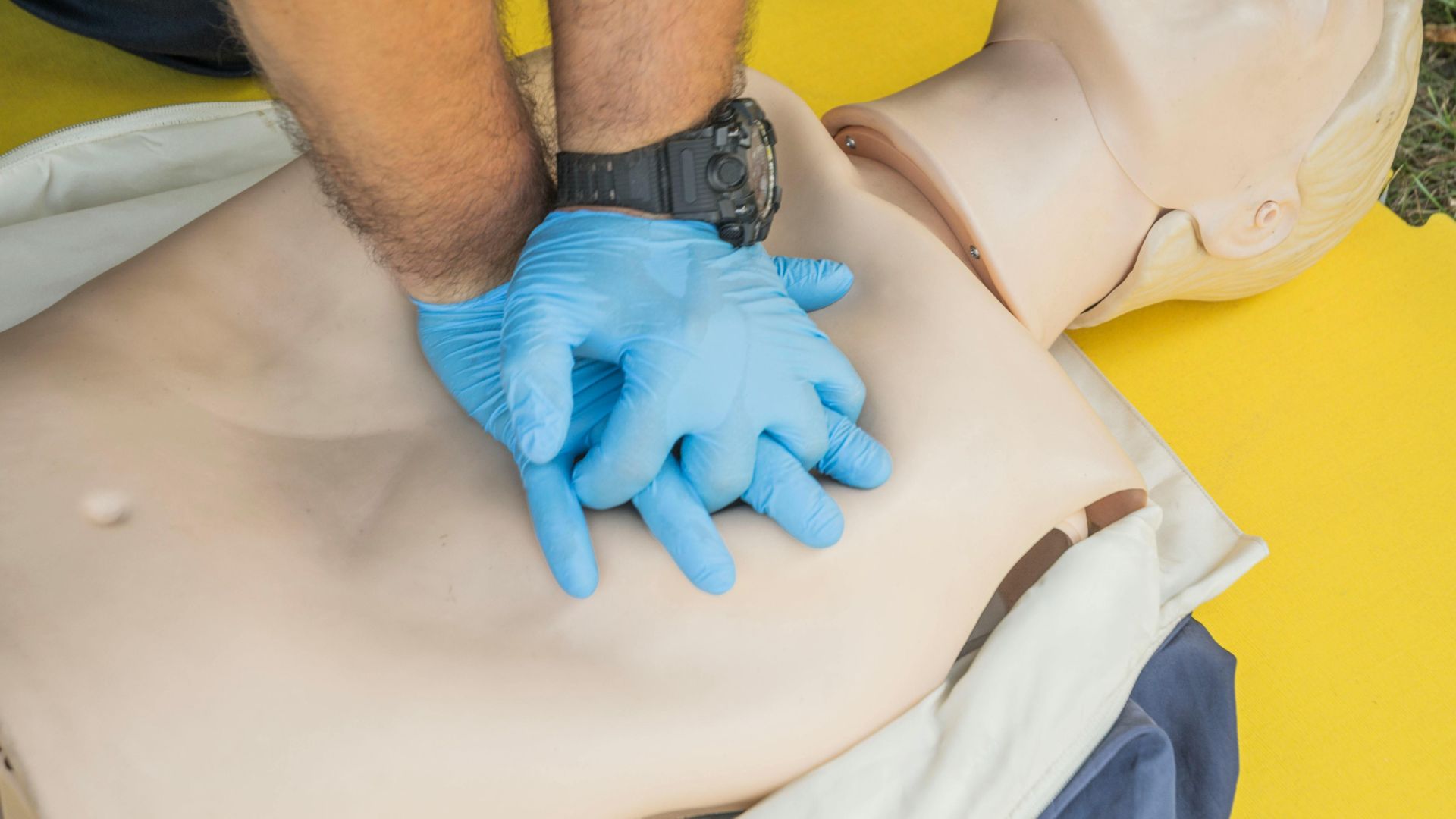
3. Begin Chest Compressions
Position your hands in the center of the chest and begin compressions at a depth of at least two inches, at a rate of 100 to 120 per minute. Training resources from organizations like CPR Certification Brooklyn emphasize the importance of maintaining proper technique to maximize the effectiveness of compressions.
4. Use an AED if Available
If an automated external defibrillator (AED) is accessible, retrieve it promptly. Follow the device’s audio and visual prompts to safely administer a shock if advised. AEDs have become more available in public spaces, empowering bystanders as highlighted in our previous discussions on public preparedness.
5. Continue Until Help Arrives
Persist with CPR until emergency responders take over or the person shows signs of life. Consistency is key, as reinforced by Good Samaritan laws that protect bystanders acting in good faith. This continued effort can significantly contribute to the patient’s survival, underscoring the vital role bystanders play in the chain of survival.
Final Thoughts On CPR Certification
In the face of medical emergencies, being prepared to perform CPR can make a critical difference in saving lives. From medical professionals and first responders to trained laypersons and bystanders, each plays a crucial role in the chain of survival. Understanding these roles, as well as the importance of training and legal responsibilities, empowers individuals to act swiftly and confidently.
As we’ve explored, CPR Certification Brooklyn provides comprehensive training and certification to ensure that everyone, whether a healthcare provider or a concerned citizen, is equipped with the skills needed to perform CPR effectively. By investing in such training, you not only enhance your ability to respond in emergencies but also contribute to a safer community.
The next step is clear: equip yourself with the knowledge and skills that could save a life. Join us in building a community of prepared and confident responders, ready to make a difference when it matters most.
Frequently Asked Questions
Who is legally required to perform CPR during a medical emergency?
Medical professionals and first responders often have a legal obligation to perform CPR due to their role and training. This “duty to act” means they are required to provide assistance within their professional capacity during emergencies. Failure to do so can result in legal consequences. In contrast, laypersons are generally protected under Good Samaritan laws, which encourage bystanders to assist without the fear of legal repercussions, provided their actions are intended to help and are conducted reasonably.
What are the first steps to take when performing CPR?
When performing CPR, the initial steps are crucial. First, assess the situation to ensure safety for both yourself and the patient. Next, determine if the person is unresponsive and not breathing or only gasping. Then, call for emergency services by dialing 911, providing clear details about the location and the individual’s condition. Begin chest compressions immediately, positioning your hands in the center of the chest, pressing down at a depth of at least two inches, and at a rate of 100 to 120 compressions per minute, until professional help arrives.
Why is it important for bystanders to know CPR?
It is crucial for bystanders to know CPR as they can be the first responders in an emergency situation. Bystanders can significantly enhance the victim’s chances of survival by providing immediate care before professional help arrives. With the rise of public awareness and the availability of AEDs, individuals equipped with CPR knowledge can act effectively in emergencies. Such intervention from bystanders is an essential link in the chain of survival, helping to bridge the gap to professional medical care and potentially saving lives.
When should CPR be administered during a medical emergency?
CPR should be administered during a medical emergency when the individual is unresponsive and not breathing or only gasping. This rapid assessment is vital to determine the necessity of starting CPR. Immediate initiation of CPR can maintain blood flow to the brain and vital organs, increasing the chances of recovery. Training resources, such as those from CPR Certification Brooklyn, emphasize the importance of recognizing these critical signs and acting swiftly to provide life-saving intervention.