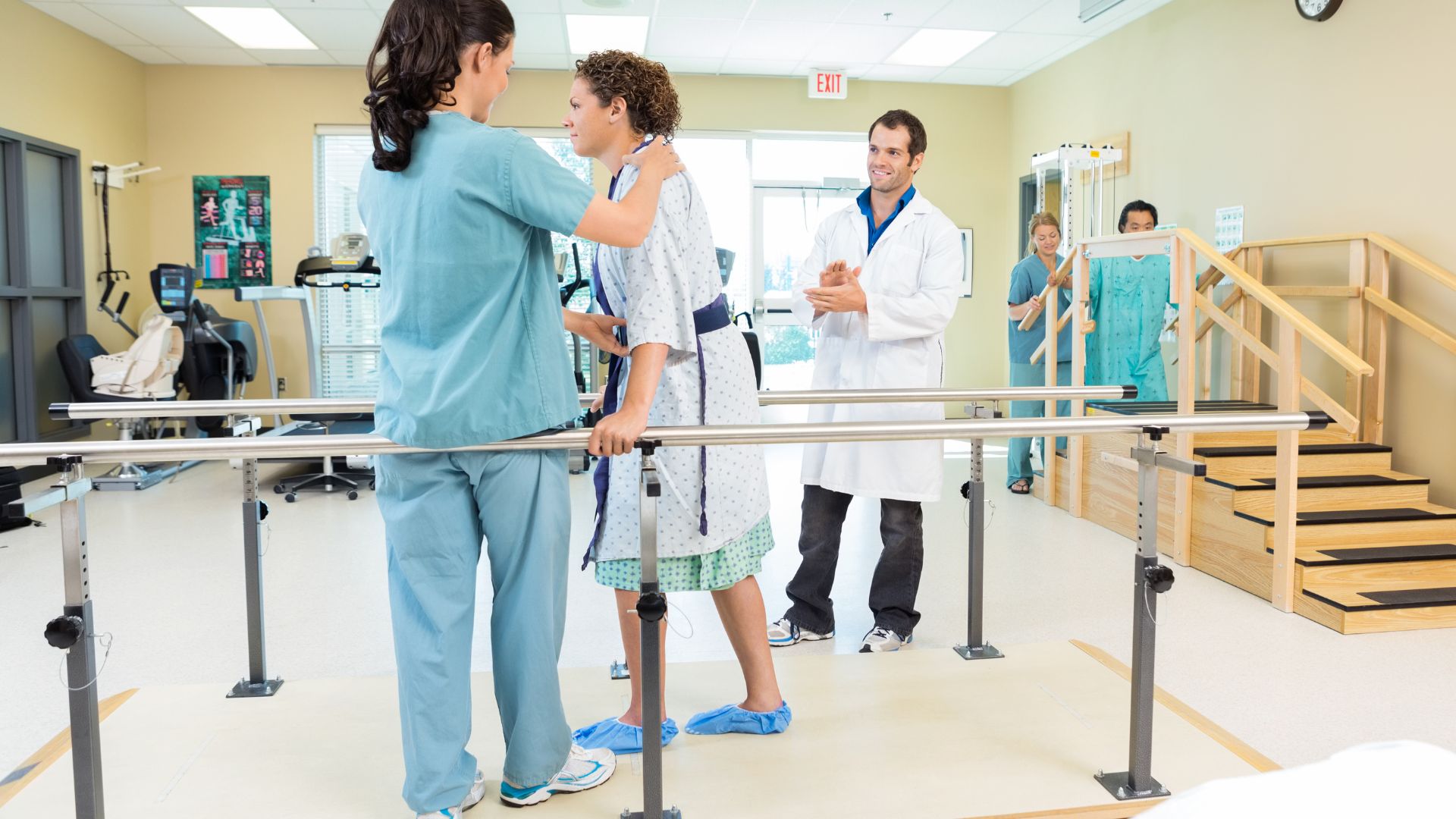
In the bustling borough of Brooklyn, where the demand for comprehensive healthcare continues to rise, physical therapy professionals are increasingly seeking ways to enhance their skills and ensure the safety of their patients. One critical credential that has become indispensable in this regard is CPR certification. Cardiopulmonary resuscitation (CPR) certification is not only a valuable addition to a therapist’s repertoire but a vital component of patient care.
As physical therapists work with individuals recovering from injuries or surgeries, the potential for medical emergencies is ever-present. Having the ability to respond swiftly and effectively in such situations can make a significant difference in outcomes. This blog post will delve into the reasons why CPR certification is essential for physical therapists in Brooklyn, touching on aspects such as legal requirements, enhanced patient trust, and the professional advantages that come with being prepared for the unexpected.
Whether you’re a seasoned therapist or new to the field, understanding the importance of CPR certification can elevate your practice and provide peace of mind. Ready to explore how this qualification can benefit your career? Read on to discover more about the role of CPR certification in the dynamic world of physical therapy.
Importance of CPR Skills in Physical Therapy
In the fast-paced environment of Brooklyn’s healthcare scene, the importance of CPR skills in physical therapy cannot be overstated. As previously mentioned, physical therapists frequently encounter situations where the ability to perform effective CPR is crucial. This skill not only enhances their professional capabilities but also significantly contributes to patient safety.
Physical therapy often involves working with individuals who may have compromised health conditions, making the prospect of medical emergencies a genuine concern. By being CPR certified, therapists are better equipped to handle unexpected cardiac or respiratory events, ensuring swift and decisive action when every second counts. This preparedness is a clear demonstration of a therapist’s commitment to providing comprehensive care, thereby enhancing patient trust and confidence in their abilities.
Moreover, in a city like Brooklyn, where state regulations and professional standards are evolving, possessing a CPR certification can also fulfill certain legal requirements. Staying updated with such credentials ensures compliance with local healthcare guidelines, which can be a critical factor in maintaining a reputable practice.
Beyond the immediate benefits, acquiring CPR skills can also open doors to further professional development. Therapists who are CPR certified may find themselves at an advantage when seeking advanced roles or specialized positions within healthcare facilities. The comprehensive skill set that includes emergency response capabilities positions them as well-rounded professionals, ready to tackle the diverse challenges of modern physical therapy practice.
Embracing CPR training is not just about meeting current demands; it’s about future-proofing your career in a competitive field. By integrating this vital skill into your practice, you align yourself with the highest standards of patient care, exemplifying a proactive approach to professional growth.
Brooklyn CPR Certification: Enhance Your Practice
In the dynamic landscape of physical therapy in Brooklyn, obtaining a CPR certification is more than just a credential,it’s a strategic enhancement to your practice. As emphasized earlier, having the capability to perform CPR in a medical emergency is a testament to a therapist’s dedication to patient safety and comprehensive care. But how exactly does CPR certification elevate your professional standing in Brooklyn?
First and foremost, CPR certification aligns with the local healthcare standards and legal requirements that govern the practice in New York. By ensuring compliance with these regulations, you not only protect your practice but also demonstrate a commitment to upholding the highest standards of patient care.
Furthermore, possessing CPR skills can significantly enhance patient trust. In a community as vibrant and diverse as Brooklyn, where patients seek reassurance in their healthcare providers, knowing that their therapist is prepared to handle emergencies builds confidence. This trust translates into stronger patient relationships, fostering a supportive environment conducive to recovery and rehabilitation.
From a professional development standpoint, CPR certification opens doors to advanced roles within the healthcare sector. Therapists equipped with CPR skills are often seen as leaders in emergency preparedness, positioning themselves favorably for career advancement. Whether it’s pursuing specialized positions or taking on leadership roles within physical therapy teams, CPR certification is a valuable asset that enhances your professional profile.
Incorporating CPR training into your practice is not merely about meeting current expectations; it’s about anticipating the future landscape of healthcare. As the demand for skilled and responsive practitioners rises, those who proactively pursue certifications like CPR are better positioned to adapt to industry changes and seize new opportunities. By investing in CPR certification, you are not only enhancing your practice today but also securing its success for the future.
How CPR Training Boosts Patient Safety and Care
1. Immediate Response Capability: In the event of a cardiac or respiratory emergency, a physical therapist’s ability to perform CPR can be a lifesaver. As discussed earlier, having CPR training ensures that therapists are prepared to act swiftly and effectively, which is crucial in scenarios where every second counts. This immediate response capability not only enhances patient safety but also reassures patients that their healthcare provider is equipped to handle emergencies.
2. Enhanced Professional Competence: Possessing CPR skills is a testament to a therapist’s dedication to their professional development. It demonstrates a commitment to maintaining high standards of care, which is essential in Brooklyn’s competitive healthcare environment. Therapists with CPR certification often find themselves more competent in managing emergencies, thereby elevating their professional standing.
3. Increased Patient Trust: Trust is an integral component of the therapist-patient relationship. When patients know that their therapist is CPR certified, it builds confidence in the level of care they will receive. As highlighted previously, this trust is particularly important in diverse communities like Brooklyn, where patients rely on their providers for reassurance and comprehensive care.
4. Compliance with Legal Standards: As mentioned, CPR certification aligns with New York’s healthcare regulations. Compliance with these standards ensures that therapists are operating within legal requirements, which is crucial for maintaining a reputable practice.
5. Opportunities for Career Advancement: CPR training can be a stepping stone to advanced roles within the healthcare sector. Therapists who are CPR certified may be considered for leadership positions or specialized roles that require emergency preparedness skills. By investing in CPR certification, therapists position themselves as leaders in their field, ready to tackle the evolving challenges of modern physical therapy.
Choosing the Right CPR Course for Therapists
When it comes to selecting the right CPR course for therapists, making an informed choice is crucial. As highlighted in previous sections, CPR certification is a vital component of a physical therapist’s skill set, enhancing both patient safety and professional credibility. Therefore, finding a course that aligns with your needs and professional goals is essential.
Firstly, consider courses that are accredited and recognized by reputable organizations such as the American Heart Association or the Red Cross. These organizations provide comprehensive training that meets national standards, ensuring you receive quality education that is both practical and applicable to your practice.
Another important factor is the format and flexibility of the course. Brooklyn’s bustling environment demands flexibility, so look for courses offering online modules combined with in-person skills sessions. This hybrid approach allows you to learn at your own pace while still gaining hands-on experience, crucial for mastering CPR techniques.
Additionally, evaluate the course content to ensure it covers essential areas relevant to physical therapy. Topics should include adult, child, and infant CPR, AED usage, and choking relief, all tailored to scenarios a therapist might encounter. Such comprehensive coverage ensures you are well-prepared for emergencies, as discussed in earlier sections.
Cost and certification duration are also important considerations. While investing in quality training is paramount, ensure the course’s fees are reasonable and that the certification lasts at least two years, providing ample time before renewal.
For those seeking specialized roles or advanced positions, consider courses offering additional modules on emergency preparedness and leadership in healthcare settings. This aligns with the professional development advantages mentioned earlier, positioning you for career advancement.
Final Thoughts On CPR Certification For Physical Therapists
Obtaining CPR certification is a strategic and essential step for physical therapists in Brooklyn. As highlighted throughout this post, it not only enhances patient safety and trust but also aligns with local legal standards, ensuring compliance and protecting your practice. By equipping yourself with these critical skills, you demonstrate a commitment to professional excellence and comprehensive patient care.
CPR certification opens doors to advanced career opportunities, positioning you as a leader in emergency preparedness within the healthcare sector. By choosing the right course, you ensure that you are prepared for the diverse challenges of modern physical therapy practice, as discussed earlier.
Now is the time to take action. By doing so, you not only enhance your practice today but also future-proof your career for the evolving demands of the healthcare industry. Embrace CPR certification and solidify your role as a dedicated, responsive, and skilled physical therapist in Brooklyn’s dynamic healthcare landscape.
Frequently Asked Questions
Why is CPR certification important for physical therapy professionals in Brooklyn?
CPR certification is crucial for physical therapy professionals in Brooklyn due to the high demand for comprehensive healthcare and the potential for medical emergencies during patient care. Physical therapists often work with individuals recovering from injuries or surgeries, where unexpected cardiac or respiratory events can occur. Being CPR certified ensures that therapists can respond swiftly and effectively, enhancing patient safety and trust. Additionally, CPR certification aligns with New York’s healthcare regulations, helping therapists maintain compliance and uphold professional standards.
How can CPR certification enhance the skills of a physical therapist?
CPR certification significantly enhances a physical therapist’s skills by providing them with the ability to manage emergencies confidently. This training not only boosts their immediate response capability during cardiac or respiratory crises but also elevates their professional competence. By acquiring CPR skills, therapists demonstrate their commitment to high-quality care and comprehensive patient safety, which is particularly valued in Brooklyn’s competitive healthcare environment. Furthermore, CPR certification can open doors to advanced roles, positioning therapists as leaders in emergency preparedness.
What are the requirements for obtaining CPR certification in Brooklyn?
To obtain CPR certification in Brooklyn, physical therapists should enroll in accredited courses recognized by reputable organizations like the American Heart Association or the Red Cross. These courses provide comprehensive training that meets national standards and includes essential topics such as adult, child, and infant CPR, AED usage, and choking relief. The format should ideally offer a hybrid approach with online modules and in-person skills sessions, catering to Brooklyn’s busy environment.
When should physical therapy professionals in Brooklyn renew their CPR certification?
Physical therapy professionals in Brooklyn should renew their CPR certification every two years. This renewal period ensures that therapists remain up-to-date with the latest CPR techniques and maintain compliance with healthcare regulations. Regular renewal reinforces a therapist’s commitment to patient safety and professional development, which is crucial in a rapidly evolving healthcare landscape. By staying current with certification, therapists not only protect their practice but also enhance their professional standing and readiness to handle emergencies effectively.